Understanding Global Wellness: The Importance of Health Education, Community Awareness and Sustainable Well-Being
Introduction: Understanding Wellness in an Interconnected World
Wellness has become one of the most important conversations in modern society. As communities around the world experience changing lifestyles, evolving health challenges, and increasing access to information, the importance of understanding wellness has continued to grow.
However, wellness is more than simply the absence of illness. It represents a broader approach to understanding how individuals, communities, and societies can support healthier and more balanced ways of living.
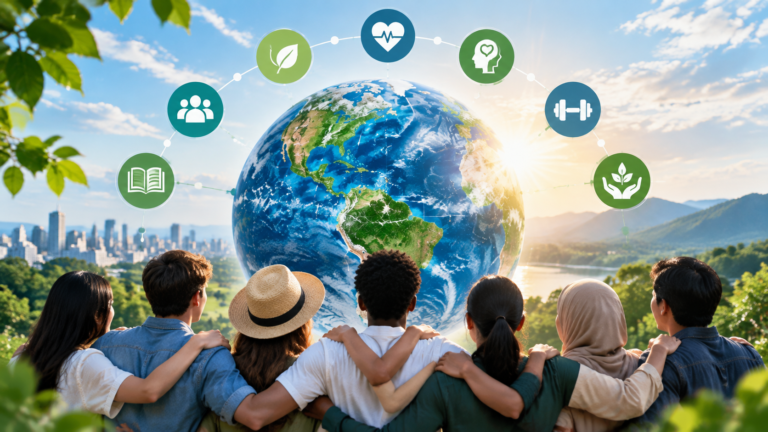
A person’s overall well-being can be influenced by many interconnected factors, including physical health, mental awareness, emotional balance, social relationships, environmental conditions, and access to reliable education. These elements do not exist separately. Instead, they interact continuously and shape how people experience health throughout their lives.
In today’s connected world, wellness has become a global conversation. Health challenges often cross borders, and solutions increasingly require collaboration between individuals, communities, organizations, educators, and researchers.
International Wellness Alliance explores global wellness through education and awareness, focusing on the importance of knowledge, community connection, and responsible approaches to creating healthier futures.
What Is Global Wellness?
Global wellness refers to the collective understanding and promotion of well-being across communities, cultures, and regions around the world.
Unlike a narrow approach that focuses only on individual health, global wellness recognizes that health is influenced by larger systems and shared environments.
Global wellness considers areas such as:
- Health education
- Community support
- Lifestyle awareness
- Mental well-being
- Environmental factors
- Access to reliable information
Every community has unique experiences, challenges, traditions, and resources. Because of these differences, wellness cannot be defined by a single universal approach.
Instead, global wellness focuses on creating awareness, encouraging education, and supporting conversations that help communities understand the many factors that influence health.
The Importance of Health Education
Health education is one of the foundations of global wellness.
Access to reliable health information allows individuals and communities to better understand important topics, recognize potential risks, and make more informed decisions about their well-being.
Education helps people develop awareness about:
- Healthy lifestyle practices
- Preventive health concepts
- Mental wellness
- Nutrition awareness
- Community resources
- Health-related research
Without clear and accessible information, people may struggle to distinguish between reliable knowledge and misinformation.
In an era where information spreads quickly through digital platforms, health education plays an increasingly important role in helping individuals evaluate information carefully and responsibly.
Knowledge as a Foundation for Healthier Communities
Communities become stronger when people have access to knowledge.
Education does not only benefit individuals. It can influence families, workplaces, schools, and community networks by encouraging shared understanding and cooperation.
A well-informed community may be better prepared to:
- Discuss important health topics
- Support healthier behaviors
- Recognize community needs
- Participate in wellness initiatives
- Encourage positive change
Knowledge creates opportunities for collaboration because people are better able to understand challenges and work together toward solutions.
The Connection Between Individual and Community Wellness
Wellness is both personal and collective.
Individual choices can influence personal health, but the environment surrounding individuals also plays an important role.
Factors that can influence wellness include:
- Family support
- Community resources
- Social connections
- Environmental conditions
- Cultural practices
- Economic circumstances
A person may have strong personal wellness habits, but community conditions can still affect opportunities for maintaining a healthy lifestyle.
This is why global wellness focuses not only on individual awareness but also on creating supportive environments where people can thrive.
Physical Wellness as Part of Global Health
Physical wellness is one important component of overall well-being.
It includes awareness of habits and behaviors that support the body’s ability to function effectively.
Physical wellness discussions often include:
- Movement and activity
- Nutrition awareness
- Rest and recovery
- Healthy routines
- Preventive awareness
Different communities may have different approaches to physical wellness depending on cultural practices, available resources, and environmental conditions.
A global perspective recognizes these differences while encouraging education and awareness.
Mental Wellness and Emotional Awareness
Mental wellness has become an increasingly important part of global health discussions.
Mental well-being involves understanding thoughts, emotions, behaviors, and personal experiences.
Modern life can involve many challenges, including:
- Stress
- Information overload
- Social pressures
- Changing responsibilities
- Personal uncertainty
Mental wellness education encourages people to develop awareness, seek support when needed, and participate in healthier conversations about emotional well-being.
Creating greater awareness can help reduce misunderstandings and encourage more supportive communities.
The Role of Community Support
Communities play a powerful role in wellness.
Supportive communities can provide:
- Encouragement
- Shared knowledge
- Resources
- Connection
- A sense of belonging
Human beings naturally depend on relationships and social connections. Positive community environments can contribute to feelings of support and collective responsibility.
Community wellness recognizes that healthier societies are built not only through individual actions but also through cooperation and shared commitment.
Global Health Challenges and Shared Responsibility
Many health challenges today are connected across borders.
Factors such as environmental changes, population growth, technology, and lifestyle changes influence health conversations worldwide.
Addressing these challenges requires cooperation between:
- Individuals
- Communities
- Health educators
- Researchers
- Organizations
- Governments
Global wellness emphasizes that improving health outcomes is a shared responsibility.
Collaboration allows communities to exchange knowledge, develop solutions, and support each other.
The Importance of Reliable Health Information
The modern digital environment provides access to more health information than ever before.
However, increased information availability also creates challenges.
People may encounter:
- Misleading claims
- Incomplete information
- Conflicting opinions
- Unverified sources
Reliable health education requires careful evaluation of information.
Important considerations include:
- Source credibility
- Scientific evidence
- Research quality
- Professional guidance
International Wellness Alliance believes that responsible education helps people navigate the modern information landscape more effectively.
Sustainable Wellness and Long-Term Thinking
Sustainable wellness focuses on creating habits and systems that support long-term well-being.
Rather than focusing only on temporary changes, sustainable wellness considers approaches that can become part of everyday life.
Examples include:
- Maintaining balanced routines
- Supporting environmental awareness
- Building strong relationships
- Continuing education
- Creating healthy communities
Long-term wellness requires patience, consistency, and understanding that meaningful change develops over time.
Environmental Wellness and Human Health
The relationship between people and the environment is an important part of global wellness.
Environmental factors can influence:
- Living conditions
- Community health
- Lifestyle opportunities
- Access to natural resources
Environmental wellness encourages awareness of how surroundings affect overall well-being.
A healthier environment can support healthier communities.
Technology and the Future of Wellness Education
Technology has transformed how people access wellness information.
Digital platforms allow communities around the world to:
- Share knowledge
- Access educational resources
- Connect with others
- Learn about health topics
However, technology also requires responsible use.
The future of wellness education will likely involve finding a balance between digital access, reliable information, and meaningful human connection.
Common Misconceptions About Wellness
Wellness Is Only About Physical Health
Wellness includes much more than physical health.
It also involves mental, emotional, social, and environmental factors.
Wellness Requires a Perfect Lifestyle
Wellness is not about perfection.
Everyone experiences challenges, changes, and setbacks.
A realistic approach focuses on awareness, learning, and continuous improvement.
Wellness Is the Same for Everyone
Every person and community has different needs, experiences, and circumstances.
Wellness approaches should consider individual and cultural differences.
Building a Wellness-Focused Future
Creating healthier communities requires continued effort in:
- Education
- Awareness
- Collaboration
- Research
- Community participation
A wellness-focused future is built through small actions combined with larger collective efforts.
When individuals learn, communities connect, and organizations collaborate, meaningful progress becomes possible.
Why Global Wellness Education Matters
Education creates a foundation for understanding.
Through wellness education, people can:
- Develop greater awareness
- Explore reliable information
- Participate in health conversations
- Support their communities
- Make thoughtful choices
Global wellness education helps bridge differences between communities by focusing on shared human goals.
Conclusion: Creating Healthier Communities Through Knowledge
Global wellness represents a shared commitment to improving understanding, awareness, and connection around health and well-being.
It recognizes that wellness is influenced by many interconnected factors, including individuals, communities, environments, and access to knowledge.
Healthier communities are created through education, collaboration, and responsible awareness.
International Wellness Alliance believes that knowledge is one of the most powerful tools for creating positive change. By encouraging learning and meaningful conversations, we can support a future where wellness information is more accessible and communities are better prepared to build healthier lives.
Author Bio
Kaylee Patterson
Kaylee Patterson writes for International Wellness Alliance, covering global wellness education, health awareness, community wellness, healthy lifestyle topics, and conversations surrounding improved well-being. Her goal is to provide clear and balanced educational content that helps readers better understand wellness and the importance of building healthier communities.